
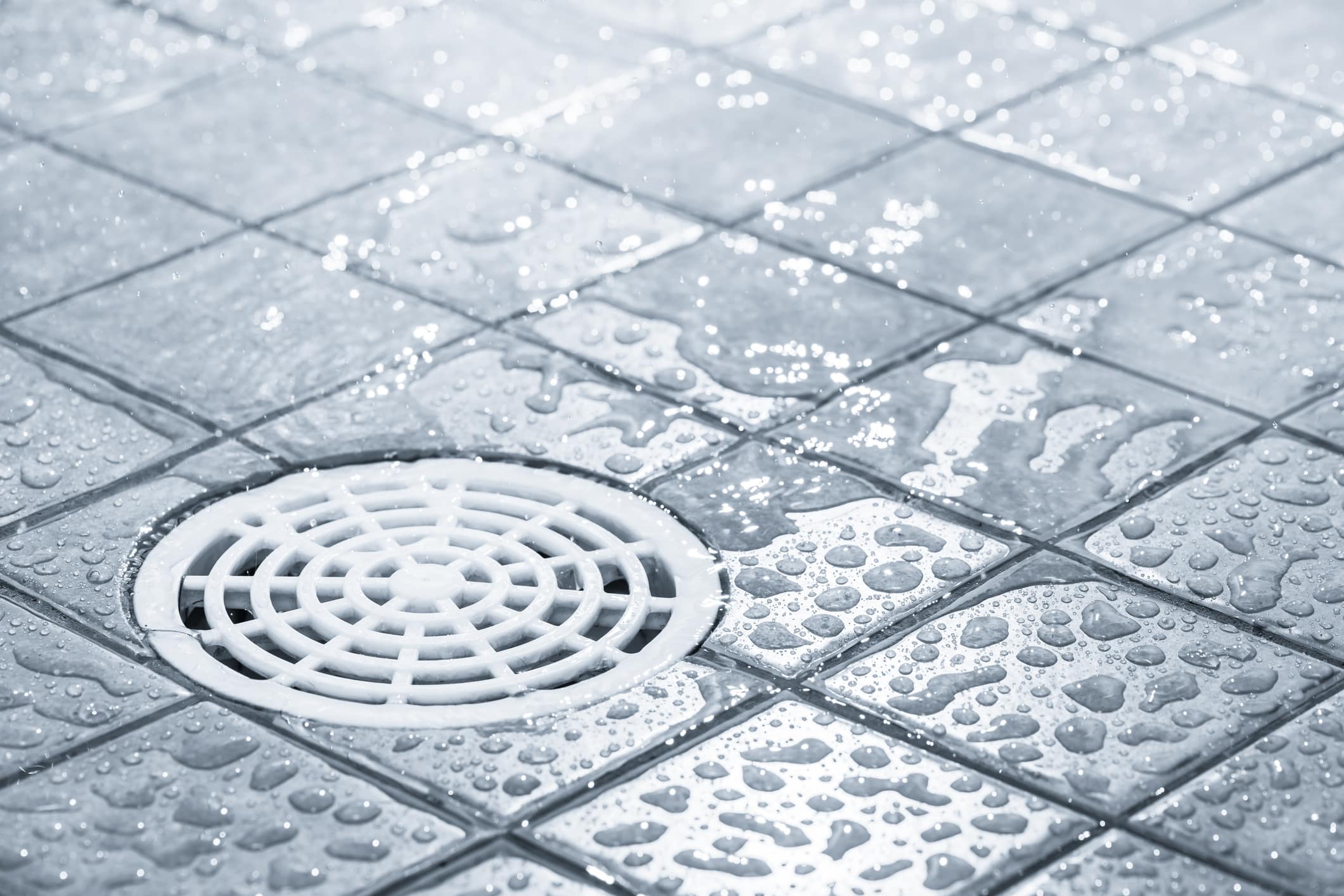
Are you tired of slipping and sliding in your shower? It’s time to create the perfect non-slip floor tiles for your shower to transform your bathing experience. In this step-by-step guide, we’ll walk you through choosing the ideal non-slip floor tiles for your shower. Whether you’re renovating or building from scratch, selecting suitable tiles is essential for safety and aesthetics.
There are several factors to consider regarding non-slip floor tiles for your shower. Each element plays a role in creating a functional and visually appealing shower, from the material and texture to the size and color. We’ll discuss the different types of non-slip floor tiles for your shower, their pros and cons, and how to determine the best fit for your needs.
So, if you’re ready to upgrade your shower and reduce the risk of accidents, join us as we dive into the world of non-slip floor tiles for your shower. Your safety and satisfaction are our top priorities, and we’re here to guide you every step of the way. Let’s create a shower space that combines style and safety effortlessly.
Understanding the different types of non-slip tiles for your shower
Slipping in the shower can be a dangerous and potentially life-threatening situation. According to the Centers for Disease Control and Prevention (CDC), falls are a leading cause of injury among older adults, and many of these falls occur in the bathroom. This is why selecting non-slip floor tiles for your shower ensures everyone using the shower is safe.
Non-slip floor tiles for your shower provide an added layer of protection by reducing the risk of falls and accidents. These tiles are designed to increase traction, even when wet, making them perfect for showers. Investing in non-slip floor tiles for your shower can create a safer environment for yourself, your family, and your guests.
When choosing non-slip floor tiles for your shower, it’s essential to consider their slip resistance rating. This rating indicates the tile’s ability to prevent slipping and is measured using a coefficient of friction (COF). The higher the COF, the more slip-resistant the tile is. We’ll dive deeper into this topic in the next section.
In summary, non-slip floor tiles for your shower are a crucial component of shower safety. By selecting tiles with excellent slip resistance, you can minimize the risk of accidents and create a secure bathing environment for everyone.
Factors to consider when choosing floor tiles for your shower
Regarding non-slip floor tiles for your shower, various options are available in the market. Understanding the different types and their characteristics will help you make an informed decision for your shower.
1. Ceramic Tiles: Ceramic tiles are popular for showers due to their durability and affordability. They are available in various designs and colors, making them suitable for any shower aesthetic. However, not all ceramic tiles are naturally non-slip, so looking for those with a textured surface or a high slip resistance rating is essential.
2. Porcelain Tiles: Porcelain tiles are known for their water resistance and durability, making them an excellent choice for shower floors. They are available in various finishes, including textured options with enhanced slip resistance. Porcelain tiles are also resistant to stains and scratches, making them easy to maintain.
3. Natural Stone Tiles: Natural stone tiles, such as travertine, slate, and marble, are a luxurious option for shower floors. They offer a unique and timeless look, but it’s important to note that not all natural stone tiles are suitable for showers. Look for stones with a textured surface or select honed finishes that provide better slip resistance.
4. Vinyl Tiles: Vinyl tiles are a budget-friendly option with excellent slip resistance. They are available in a wide range of colors and patterns, allowing you to achieve the desired look for your shower. Vinyl tiles are also comfortable underfoot and provide insulation against cold floors.
Now that you understand the different types of non-slip floor tiles for your shower, let’s move on to the factors to consider when choosing the perfect ones for your shower.
Assessing the slip resistance rating of anti-slip floor tiles
Selecting suitable non-slip floor tiles for your shower involves considering various factors. Considering these factors, you can ensure that the tiles you choose are safe and meet your aesthetic preferences. Let’s explore the key factors to consider:
1. Slip Resistance Rating
The slip resistance rating of non-slip floor tiles for your shower is an essential factor to consider. As mentioned earlier, this rating is measured using a coefficient of friction (COF), with higher values indicating better slip resistance. Look for tiles with a COF of 0.6 or above for optimal safety in wet conditions.
2. Size and Shape
The tiles’ size and shape will impact your shower’s overall look and functionality. Larger tiles can create a seamless and spacious appearance, while smaller tiles offer more grout lines, increasing traction. Consider the size and shape best suits your shower space and personal preferences.
3. Material and Texture
The material and texture of non-slip floor tiles play a significant role in their slip resistance. Tiles with a textured surface, such as those with raised patterns or rough finishes, offer better-wet traction. Additionally, certain materials, like porcelain and vinyl, are naturally more slip-resistant than others.
4. Aesthetics
While safety is a top priority, choosing non-slip floor tiles for your shower that complement your shower’s aesthetic is essential. Consider the tiles’ color, pattern, and overall design to ensure they align with your desired style. Many non-slip floor tiles are available in various designs, allowing you to find the perfect balance between safety and aesthetics.
Considering these factors, you can narrow down your options and find non-slip floor tiles for your shower that meet your safety requirements and design preferences.
Selecting the right size and shape of non-skid floor tiles for your shower
Understanding the slip resistance rating is crucial when it comes to non-slip floor tiles for your shower. This rating is measured using a coefficient of friction (COF), which indicates the tile’s ability to prevent slipping. The higher the COF, the more slip-resistant the tile is.
It’s important to note that different shower areas may require different slip resistance ratings. For example, the shower floor should have a higher slip resistance rating than the walls or other areas. This is because the floor is more likely to come into contact with water and soap, making it prone to slips and falls.
To determine the slip resistance rating of non-slip floor tiles for your shower, look for tiles with a COF of 0.6 or above. This rating ensures that the tiles offer sufficient traction even when wet. Additionally, consider the specific needs of your household. If you have young children or elderly family members, opting for tiles with an even higher slip resistance rating may be wise for added safety.
Exploring different materials for non-slip floor tiles
The size and shape of non-slip floor tiles for your shower play a crucial role in your shower’s overall appearance and functionality. Here are some considerations when selecting the right size and shape:
1. Large Format Tiles: Large tiles, typically 12×24 inches or larger, can create a spacious and seamless look in your shower. They require fewer grout lines, making them easier to clean and maintain. However, larger tiles may require more precise installation due to their size.
2. Small Mosaic Tiles: Small mosaic tiles, usually measuring less than 2×2 inches, offer better traction due to increased grout lines. This makes them ideal for shower floors. Mosaic tiles also allow for more intricate designs and patterns, adding visual interest to your shower.
3. Rectangular Tiles: Rectangular tiles, such as subway tiles, are a classic choice for showers. They can be arranged in patterns, such as herringbone or brick bond, to create a unique look. Rectangular tiles are versatile and can be used for walls and floors, allowing for a cohesive design.
4. Hexagonal Tiles: Hexagonal tiles are a trendy option that adds a modern and geometric touch to your shower. They can be arranged in various patterns, such as honeycomb or flower, creating a visually appealing focal point. Hexagonal tiles work well for walls and floors, allowing for creative designs.
Consider the size and layout of your shower space when selecting the size and shape of non-slip floor tiles for your shower. Larger tiles can make a small shower appear more spacious, while smaller mosaic tiles offer enhanced traction. Choose a size and shape that suits your aesthetic preferences and complements the overall design of your bathroom.


