
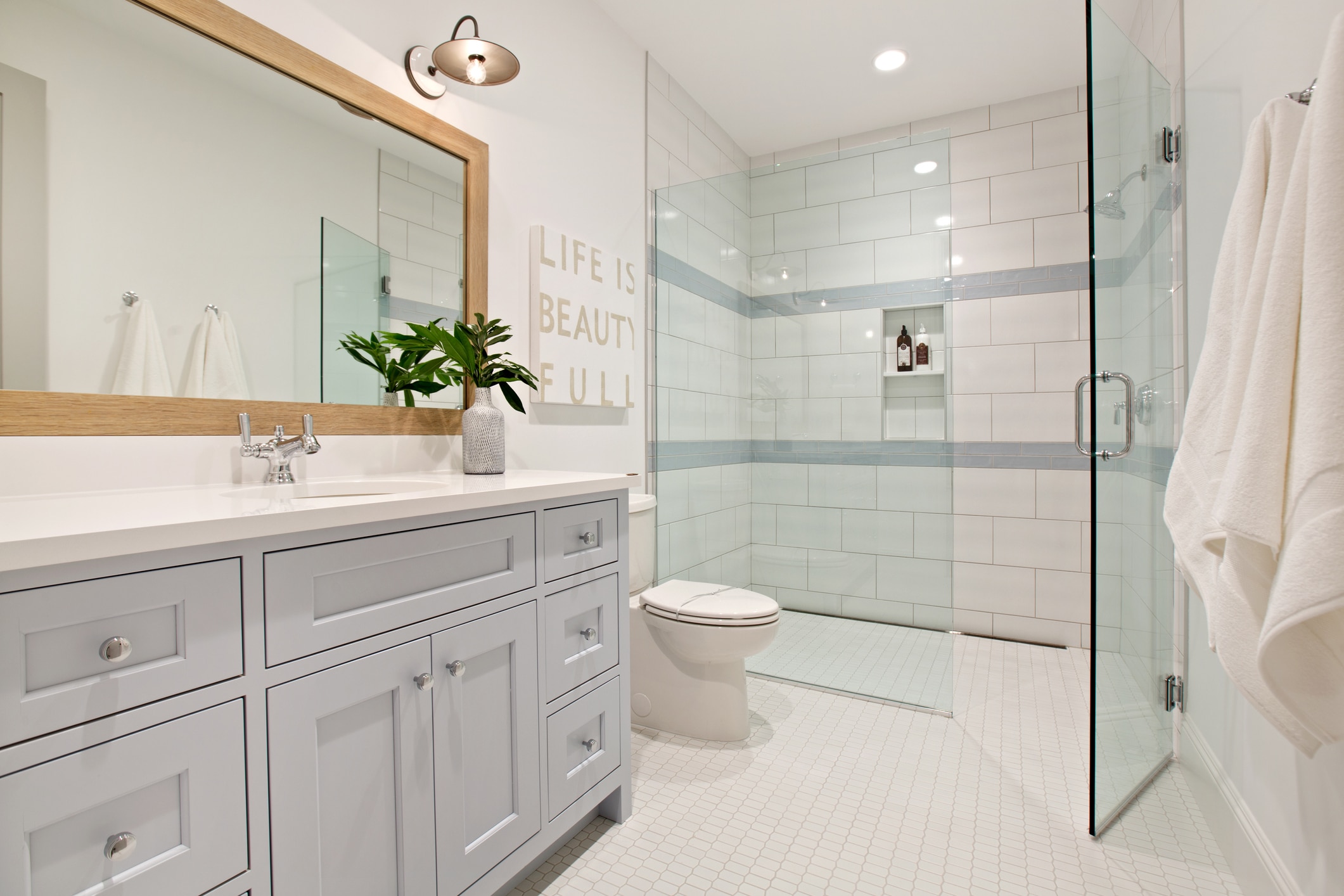
Tired of slipping and sliding in your bathroom? It’s time to say goodbye to slippery surfaces and hello to non-slip floor tiles for the bathroom. This article will explore why non-slip floor tiles are essential for any bathroom.
Nobody wants to take the risk of a bathroom slip and fall. It not only poses a danger to your well-being but also has the potential to cause serious injuries. Non-slip floor tiles provide the perfect solution, offering enhanced safety and peace of mind.
These specialized tiles are designed with a textured surface that increases traction, minimizing the risk of accidents. Non-slip floor tiles for bathrooms provide the necessary grip to prevent slips and falls, whether it’s a sudden spill, wet feet, or condensation.
But safety isn’t the only advantage of non-slip floor tiles for bathrooms. They also add a touch of style to your bathroom. With various designs, colors, and patterns, you can create a beautiful and safe space without compromising aesthetics.
Don’t compromise on safety or style. Upgrade your bathroom with non-slip floor tiles for bathrooms and enjoy a worry-free bathing experience. Stay safe, stay stylish!
The dangers of slippery surfaces in the bathroom
Slippery surfaces in the bathroom can be a recipe for disaster. Every year, thousands of people suffer from slip-and-fall accidents in their bathrooms, resulting in injuries that range from minor bruises to more severe fractures. These accidents can happen to anyone, regardless of age or physical ability. Therefore, it is crucial to prioritize safety in your bathroom, and one effective way to do so is by installing non-slip floor tiles for bathrooms.
Non-slip floor tiles for bathrooms are designed to increase traction, reducing the risk of slips and falls. The textured surface of these tiles creates friction, offering a secure footing even when the floor is wet or slippery. This added grip can make a significant difference, especially in environments where water is frequently present, such as bathrooms.
In addition to preventing accidents, non-slip floor tiles offer peace of mind. You won’t have to worry about yourself, your family members, or guests slipping and injuring themselves while using the bathroom. By investing in non-slip floor tiles for bathrooms, you are proactively creating a safe and welcoming space.
Furthermore, non-slip floor tiles for bathrooms are essential for households with elderly or disabled individuals. These individuals may have reduced mobility or balance issues, making them more susceptible to bathroom accidents. By installing non-slip tiles, you can provide a secure environment that promotes independence and minimizes the risk of falls.
Types of non-slip floor tiles available
Slippery surfaces in the bathroom can pose a significant risk to your safety. The combination of water, soap, and smooth flooring materials creates a hazardous environment that can lead to slips, falls, and injuries. Understanding the dangers of slippery surfaces is crucial in realizing the importance of non-slip floor tiles for bathrooms.
One of the main culprits of bathroom accidents is wet floors. Whether it’s water splashed from the sink, shower, or bathtub or simply wet feet stepping out of the shower, a wet bathroom floor can become slippery. This is especially true if the flooring material lacks traction or has a glossy finish.
Another common cause of slippery surfaces in the bathroom is condensation. Bathrooms are often filled with steam and humidity, accumulating on the flooring and creating a slippery film. This is particularly hazardous in smaller bathrooms with poor ventilation, as the condensation can linger for extended periods, increasing the risk of accidents.
Furthermore, sudden spills of water, soap, or other bathroom products can also contribute to slippery surfaces. When these substances come into contact with smooth flooring materials, they can create a slippery surface prone to accidents. Even a tiny amount of liquid can turn a bathroom floor into a potential hazard.
Investing in products to create non-slip floor tiles for bathrooms is crucial to mitigate these risks and create a safer bathroom environment. These tiles are designed to combat slippery surfaces and dangers and provide the necessary traction to prevent accidents. Installing non-slip tiles can significantly reduce the risk of slips and falls in your bathroom.
Factors to consider when choosing non-slip floor tiles
Regarding non-slip floor tiles for bathrooms, many options are available to suit various preferences and design aesthetics. Understanding the different types of non-slip floor tiles can help you make an informed decision when choosing the best option for your bathroom.
1. Ceramic Tiles: Ceramic tiles are a popular choice for non-slip floor tiles for bathrooms due to their durability and affordability. These tiles are available in various finishes, including textured options that enhance traction. Ceramic tiles are also resistant to water and stains, making them ideal for bathroom use.
2. Porcelain Tiles: Porcelain tiles are another excellent choice for non-slip bathroom floor tiles. These tiles are known for their strength and resistance to moisture, making them highly suitable for bathroom environments. Porcelain tiles can mimic the look of natural stone or wood while offering the added benefit of slip resistance.
3. Natural Stone Tiles: Natural stone tiles, such as granite, marble, or slate, can be an elegant choice for non-slip flooring. These tiles offer a unique and luxurious appearance while providing the necessary grip. It is important to note that not all natural stones are naturally slip-resistant, so choosing the right type of stone and finish for your bathroom is essential.
4. Vinyl Tiles: Vinyl tiles are a versatile and cost-effective option for non-slip floor tiles for bathrooms. These tiles come in various styles and designs, including options that mimic the look of wood or stone. Vinyl tiles are known for their slip-resistant properties and easy maintenance, making them a practical choice for bathrooms.
5. Rubber Tiles: Rubber tiles are an excellent choice for maximum slip resistance. These tiles have a soft, cushioned surface that provides exceptional grip, even when wet. Rubber tiles are also durable and easy to clean, making them popular for commercial bathrooms or households with high foot traffic.
When choosing non-slip floor tiles for bathrooms, it’s essential to consider factors such as durability, water resistance, ease of maintenance, and design compatibility with your bathroom. You can create a safe and visually appealing bathroom space by selecting the right type of non-slip tiles.
How to install non-slip floor tiles in the bathroom
Choosing suitable non-slip floor tiles for your bathroom involves considering several factors to ensure you make the best decision. These factors will help determine the suitability of the tiles for your specific needs and preferences.
1. Slip Resistance Rating: Non-slip floor tiles are often rated for slip resistance using a scale known as the Coefficient of Friction (COF). The higher the COF, the more slip-resistant the tiles are. Choosing tiles with a COF of 0.6 or higher for bathroom floors is recommended to ensure optimal safety.
2. Texture: The texture of the tiles plays a crucial role in their slip resistance. Tiles with a textured surface, such as those with raised patterns or embossed designs, offer better traction than smooth tiles. When choosing non-slip floor tiles, consider the texture that will provide the necessary grip in your bathroom.
3. Durability: Bathrooms are high-moisture areas, so choosing non-slip floor tiles for bathrooms that are durable and resistant to water damage is essential. Look for tiles specifically designed for wet environments that can withstand constant exposure to moisture without deteriorating.
4. Maintenance: Consider the maintenance requirements of the non-slip floor tiles for bathrooms before deciding. Some tiles may require regular sealing or unique cleaning products to maintain their slip-resistant properties. Choose tiles that are easy to clean and maintain to ensure a long-lasting and hassle-free bathroom flooring solution.
5. Aesthetics: Non-slip floor tiles come in various colors, patterns, and designs, allowing you to create a visually appealing bathroom space. Consider the overall style of your bathroom and choose tiles that complement the existing decor or the desired aesthetic. With a wide range of options, you can find non-slip tiles that combine safety and style seamlessly.
By considering these factors, you can make an informed decision and choose non-slip floor tiles for bathrooms that meet your safety requirements while enhancing the overall look of your bathroom.
Maintenance and cleaning tips for non-slip floor tiles for bathrooms
Installing non-slip floor tiles in your bathroom is a task that requires careful planning and attention to detail. Following the steps below, you can ensure a successful installation process that results in a safe and visually appealing bathroom floor.
1. Prepare the Surface: Before installing the tiles, ensure that the bathroom floor is clean, dry, and free from any debris. Remove existing flooring materials and ensure the surface is smooth and level. Fill in any cracks or imperfections using a suitable filler and allow it to dry completely.
2. Measure and Plan: Measure the dimensions of the bathroom floor to determine the number of tiles required. Create a layout plan, considering factors such as the position of fixtures, doorways, and any obstacles that may affect the tile installation. This will help you determine the best starting point and ensure a balanced layout.
3. Apply Adhesive: Apply a suitable tile adhesive to a small floor using a notched trowel. Spread the adhesive evenly, ensuring full coverage. Start from the starting point determined in the previous step and work in small sections to prevent the adhesive from drying out before the tiles are installed.
4. Place the Tiles: Carefully place the non-slip floor tiles onto the adhesive, pressing them firmly to ensure proper adhesion. Use tile spacers to maintain consistent spacing between the tiles. Continue working in sections until all the tiles are laid out according to your planned layout.
5. Cut Tiles: Use a tile cutter or a wet saw to cut tiles to fit around fixtures, corners, or edges. Measure accurately and mark the tiles before cutting to achieve precise cuts. Ensure that the cut edges are smooth and free from any sharp edges that could pose a safety risk.
6. Allow for Drying: After placing all the tiles, allow the adhesive to dry according to the manufacturer’s instructions. This usually takes around 24 to 48 hours. Avoid stepping on the tiles during this time to prevent movement or displacement.
7. Apply Grout: Once the adhesive is completely dry, apply grout to the gaps between the tiles using a grout float. Ensure that the grout fills the gaps and is evenly spread. Wipe off any excess grout using a damp sponge, not removing too much grout from the gaps.
8. Seal the Grout: After the grout has cured for a few days, apply a grout sealer to protect it from moisture and stains. This will help maintain the integrity of the grout and prolong the lifespan of your non-slip floor tiles for bathrooms.
Following these steps, you can install non-slip floor tiles professionally in your bathroom, ensuring a safe and durable flooring solution.


