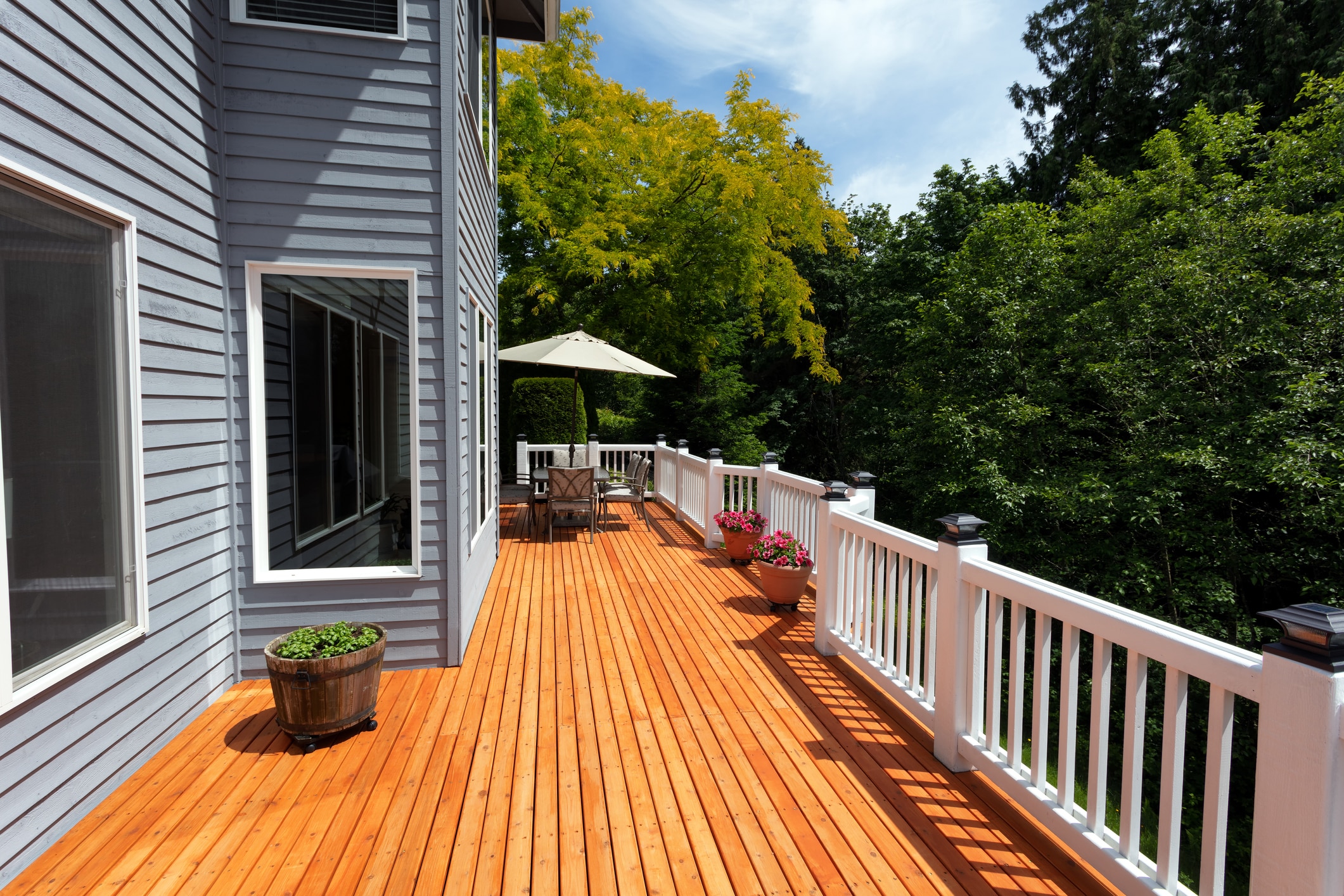
Welcome to the ultimate guide to non-slip coatings for wood. Whether you want to add traction to your wooden deck, staircase, or other wooden surfaces, this comprehensive guide will provide you with all the information you need to make an informed decision.
Safety is a top priority, and non-slip coatings offer an effective solution to prevent slips and falls, especially in areas prone to moisture or high foot traffic. But with so many options available, choosing the right one for your specific needs can be overwhelming.
In this guide, we’ll explore different types of non-slip coatings for wood, from textured paints to clear coatings and discuss their durability, ease of application, and overall effectiveness. We’ll also provide expert tips on properly preparing your wood surfaces before applying the coating to ensure maximum adhesion and longevity.
So, if you’re ready to enhance the safety and functionality of your wooden surfaces, join us as we explore the world of non-slip coatings for wood. Let’s start creating a slip-free environment for you and your loved ones.
Understanding the importance of non-slip coatings for wood surfaces
Wooden surfaces, such as decks, stairs, and floors, can become hazardous when wet or exposed to high foot traffic. Slips and falls on these surfaces can lead to severe injuries, making it crucial to enhance traction and safety. This is where non-slip coatings for wood come into play.
Non-slip coatings provide an effective solution to prevent accidents by adding grip and traction to wooden surfaces. These coatings are specially formulated to create a textured or rough surface, increasing friction and reducing the risk of slips. Whether you have residential or commercial space, investing in non-slip coatings can significantly improve safety for you, your family, or your customers.
Benefits of using non-slip coatings on wood
The benefits of using non-slip coatings on wood extend beyond preventing slips and falls. Here are some advantages to consider:
Before applying non-slip coatings on wood, it’s essential to consider a few factors to ensure the best results. Here are some key considerations:
A step-by-step guide to applying non-slip coatings on wood
Applying non-slip coatings on wood is a straightforward process that can be done by following a few simple steps. Here’s a step-by-step guide to help you achieve the best results:
1. Prepare the Surface: Thoroughly clean the wood surface, removing debris, dirt, or previous coatings. Sand the surface if necessary to create a smooth base.
2. Select the Coating: Choose the non-slip coatings for wood that best suits your needs and preferences. Consider factors such as texture, color, and application method.
3. Apply the Primer: If the manufacturer recommends, apply a primer to the wood surface. The primer will enhance adhesion and ensure even coverage of the non-slip coating.
4. Apply the Non-Slip Coating: Follow the manufacturer’s instructions for applying the non-slip coating. Use a brush, roller, or sprayer, depending on the recommended application method.
5. Allow for Drying Time: The coating will dry completely according to the manufacturer’s instructions. Depending on the type of coating and environmental conditions, this may take several hours or even days.
6. Inspect and Apply Additional Coats: Inspect the coated surface for missed spots or uneven coverage. If necessary, apply additional coats to ensure complete and uniform coverage.
7. Cure and Test the Coating: Allow the coating to cure for the recommended time before subjecting it to foot traffic or other stress. Perform a slip resistance test to ensure the coating provides the desired level of traction.
Maintenance and care tips for non-skid-coated wood surfaces
Regular maintenance and care are essential to maintain the effectiveness and longevity of non-slip-coated wood surfaces. Here are some tips to keep in mind:
– Clean Regularly: Sweep or vacuum the surface regularly to remove dirt, debris, and other particles that can reduce traction.
– Avoid Harsh Cleaners: Use mild cleaners specifically designed for wood surfaces to avoid damaging the non-slip coating. Avoid abrasive or acidic cleaners that can strip away the protective layer.
– Inspect for Damage: Regularly inspect the coated surface for any signs of wear, peeling, or damage. Promptly address any issues to prevent further deterioration.
– Reapply if Necessary: Over time, the non-slip coating for wood may wear off due to foot traffic or weather exposure. If you notice a significant decrease in traction, consider reapplying the coating to maintain safety.
DIY vs. professional application of non-slip coatings
Whether to apply non-slip coatings for wood surfaces or hire a professional depends on various factors, including your expertise, available time, and budget. Here are some considerations for both options:
Common mistakes to avoid when applying anti-slip coatings on wood
To achieve the best results when applying non-slip coatings for wood, it’s essential to avoid common mistakes that can compromise the effectiveness and durability of the coating. Here are some pitfalls to steer clear of:
1. Poor Surface Preparation: Neglecting proper surface preparation can lead to poor adhesion and uneven coating coverage. Take the time to clean and sand the wood surface before applying the coating.
2. Insufficient Drying Time: Rushing the drying process can result in premature wear or damage to the non-slip coating for wood. Follow the manufacturer’s instructions regarding drying time to ensure optimal performance.
3. Inaccurate Mixing Ratios: If the non-slip coatings for wood require mixing with other components, precisely follow the recommended mixing ratios. Inaccurate ratios can compromise the coating’s effectiveness.
4. Skipping Protective Gear: When working with non-slip coatings for wood, it’s essential to wear appropriate protective gear, such as gloves, goggles, and a respirator, if necessary. Neglecting protective gear can pose health risks.
5. Ignoring Manufacturer’s Instructions: Each non-slip coating for wood may have specific instructions and recommendations for application. Ignoring or deviating from these instructions can result in subpar results.
By avoiding these common mistakes, you can ensure a successful and long-lasting application of non-slip coatings on wood.


