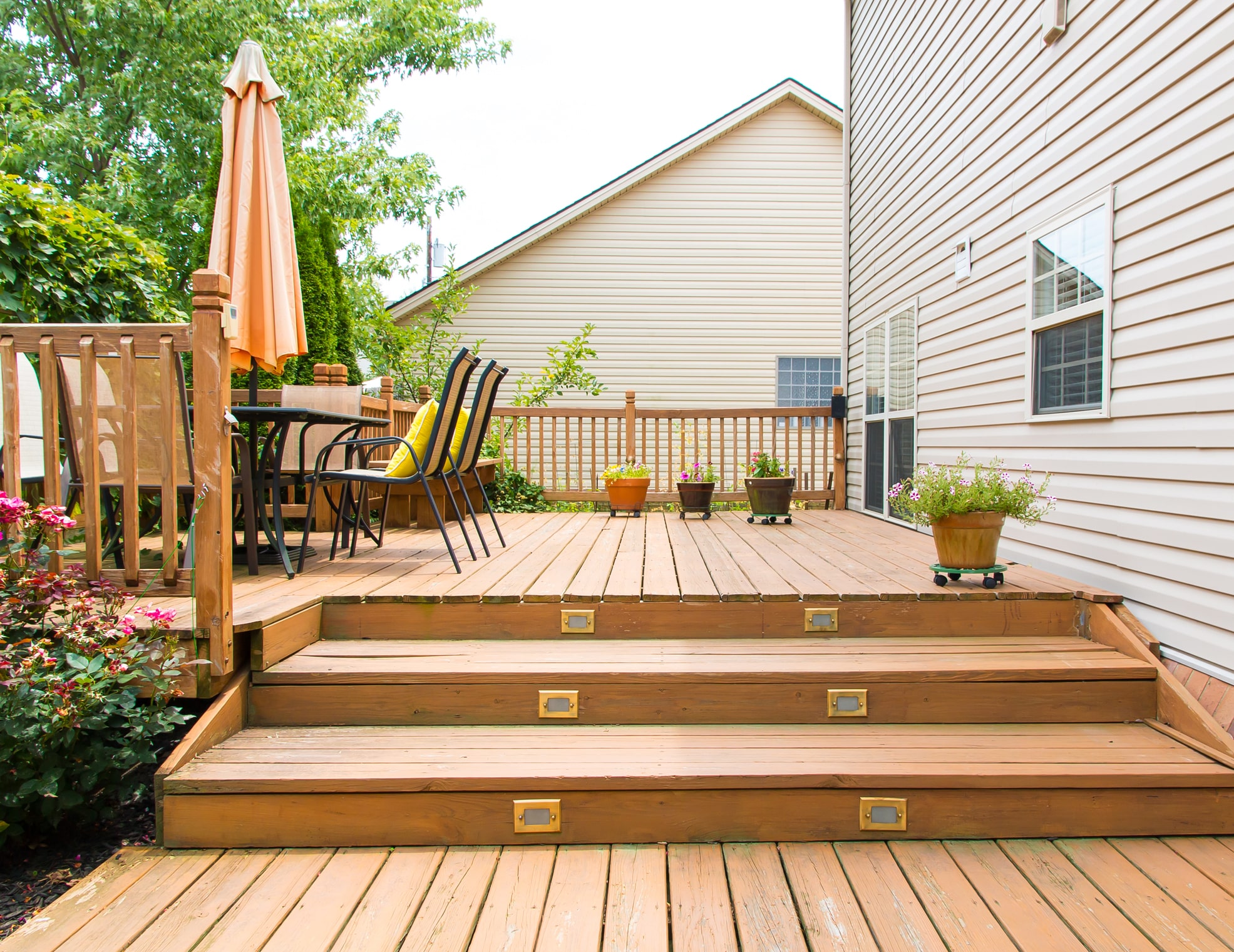
Are your wood floors looking dull and worn out? If so, it’s time to give them a much-needed makeover with the help of non-slip floor paint for wood. This versatile solution revitalizes your wood floors, bringing them back to life and giving them a fresh new look.
Floor paint for wood is specifically formulated to provide durable and long-lasting protection while enhancing the beauty of your floors. Whether you have hardwood, laminate, or engineered wood floors, this paint can transform them into stunning focal points in your home.
Not only does non-slip floor paint for wood add a pop of color and style to your floors, but it also helps to protect them from daily wear and tear. It creates a protective barrier that guards against scratches, spills, and stains, extending the life of your floors.
When choosing floor paint for wood, look for products that are specially designed for wood surfaces, offer a wide range of color options, and have excellent durability. With the right paint and a little bit of effort, you can completely transform your wood floors and breathe new life into your home.
Understanding the Concept of Floor Paint for Wood
Non-slip floor paint for wood is a specialized coating designed to enhance and protect wooden surfaces. Unlike traditional wall paint, non-slip floor paint for wood is formulated to withstand the unique demands placed on flooring materials, such as foot traffic, spills, and impacts. This type of paint not only beautifies wooden floors but also provides a tough, durable finish that can resist scratches and stains. The scientific composition of floor paint includes resins, pigments, and additives that together create a resilient layer, making it an ideal choice for both residential and commercial spaces.
When considering non-slip floor paint for wood, it’s essential to understand its differences from other types of floor finishes. While varnishes and stains may enhance the natural appearance of wood, they do not offer the same level of protection against wear and tear. Non-slip floor paint for wood, on the other hand, provides a solid color and can effectively cover imperfections in the wood, giving it a uniform appearance. This characteristic is particularly beneficial for older or heavily used floors that have seen better days.
Moreover, non-slip floor paint for wood is available in a wide range of colors and finishes, from matte to glossy. This versatility allows homeowners and designers alike to choose a style that complements their interior décor. Whether you are seeking a bold statement with vibrant hues or a subtle enhancement with soft tones, there’s a non-slip floor paint for wood that can meet your aesthetic desires while revitalizing your wooden floors.
Advantages of Using Floor Paint on Wood Floors
One of the primary advantages of using non-slip floor paint for wood is the additional protection it offers. Wooden surfaces are susceptible to damage from moisture, dirt, and foot traffic, and a high-quality floor paint forms a barrier that helps to shield the wood from these elements. This protective layer not only reduces the risk of scratches and dents but also makes it easier to clean and maintain the floor. Spills can be wiped away without fear of staining, and regular cleaning requires less effort when the surface is painted.
Another benefit of non-slip floor paint for wood is its ability to redefine the look of a space. A fresh coat of paint can dramatically transform the atmosphere of a room, making it feel updated and inviting. This is especially true if the existing wood floors have become worn or outdated. With the right color choice, painted floors can enhance the overall aesthetic of your home, providing a chic and contemporary feel. Additionally, paint can help highlight architectural features, drawing attention to the beauty of your space.
Cost-effectiveness is also a significant advantage of painting wood floors. Compared to other flooring options, such as replacing or refinishing, applying paint can be a more budget-friendly solution. It allows homeowners to achieve a fresh look without the expense and hassle of major renovations. With proper application and maintenance, painted wood floors can last for many years, making it a worthwhile investment for revitalizing your home.
Popular Types of Floor Paint
When it comes to non-slip floor paint for wood, there are several types available, each with its unique properties and benefits. One of the most common types is acrylic floor paint for wood, which is water-based and known for its durability and ease of application. Acrylic paints dry quickly and emit fewer volatile organic compounds (VOCs), making them a safer choice for indoor environments. They are available in a variety of finishes, including matte, satin, and gloss, allowing homeowners to select the perfect sheen for their floors.
Another popular option is oil-based floor paint for wood, which provides a hard, durable finish that can withstand heavy foot traffic. Oil-based paints tend to penetrate deeper into the wood, providing excellent adhesion and longevity. However, they take longer to dry and require more ventilation during application due to their higher levels of VOCs. Despite these drawbacks, many choose oil-based paints for their robust nature and rich color options.
For those looking for an eco-friendly alternative, there are low-VOC and zero-VOC non-slip floor paints for wood available on the market. These products are designed to minimize environmental impact while still providing excellent coverage and durability. They are perfect for health-conscious consumers or those living in spaces where air quality is a concern. Regardless of the type chosen, it’s crucial to select a paint specifically designed for wood floors to ensure optimal results.
Preparation Steps Before Applying Flooring Paint
Before diving into the painting process, proper preparation is key to achieving a successful and lasting finish on wood floors. The first step is to thoroughly clean the surfaces to be painted. This involves sweeping or vacuuming up dust and debris, followed by mopping with a suitable cleaner to remove any stains or residues. A clean surface is essential as it allows the paint to adhere properly, preventing peeling or chipping down the line.
Next, inspect the wood floors for any damages such as cracks, splinters, or holes. It’s important to address these issues before applying paint. Filling in gaps with wood filler and sanding down rough spots will create a smooth surface for painting. Any imperfections left unaddressed can compromise the final appearance and durability of the paint. After repairs, ensure that the entire floor is sanded to create a slightly rough texture, which helps the non-slip floor paint for wood stick better.
Lastly, consider applying a primer specifically designed for wood surfaces. Priming can enhance adhesion and improve the overall appearance of the non-slip floor paint for wood. It’s especially important if you are making a significant color change or if the wood is particularly porous. After priming, allow sufficient drying time before proceeding with the application of the floor paint. Proper preparation is crucial in achieving a professional-looking finish that will last for years.
Step-by-Step Guide to Applying Paint on Wood Floors
Once the preparation steps are complete, you can begin the painting process. Start by gathering your materials, which include non-slip floor paint for wood, a paint roller or brush, painter’s tape, and drop cloths. Lay down drop cloths to protect your surrounding area from any paint splatters. If you’re using painter’s tape, apply it along the edges of walls and any areas where you want clean lines, ensuring a neat finish.
Begin by applying the non-slip floor paint for wood in the corners and edges of the room using a brush. This technique helps to cut in the paint and ensures that you reach all the nooks and crannies. After the edges are done, switch to a roller for the larger areas of the floor. Work in sections, applying the paint evenly and in the same direction to avoid roller marks. It’s often best to apply two coats for maximum durability and color richness, allowing adequate drying time between each coat as specified by the manufacturer’s instructions.
Once you have completed the painting, allow the floors to cure properly before walking on them. This curing time can vary depending on the type of paint used, so be sure to check the label for specific recommendations. Avoid placing furniture back until the paint has fully cured to prevent any indentations or scratches. Following these steps will result in a beautifully painted wood floor that enhances the overall look of your space.
Tips for Maintaining and Prolonging the Lifespan of Wooden Floors
To keep your newly painted wood floors looking their best over time, regular maintenance is essential. Start by establishing a cleaning routine that involves sweeping or vacuuming to remove dirt and debris that can scratch the surface. Additionally, using a damp mop with a gentle cleaner specifically formulated for painted floors can help maintain their appearance without causing damage. Avoid harsh chemicals or abrasive cleaners that could wear away the paint.
It’s also wise to implement preventive measures to protect the painted surface. Use area rugs in high-traffic zones to minimize wear and tear, and place felt pads under furniture legs to prevent scratches when moving items. Additionally, consider using door mats at entrances to reduce the amount of dirt and grit that gets tracked onto the floors. These simple steps can significantly prolong the life of your painted wood floors.
Lastly, keep an eye on the condition of the paint over time. If you notice any chips or scratches, address them promptly by touching up the affected areas. Regularly inspect the finish, and be prepared to refresh the paint every few years to maintain its vibrancy and protection. By following these maintenance tips, you can enjoy the beauty of your painted wood floors for many years to come.
Common Mistakes to Avoid When Using Floor Paint
While painting wood floors can yield stunning results, there are common mistakes that can hinder the process and affect the outcome. One frequent error is neglecting the preparation phase. Skipping essential steps like cleaning, sanding, and priming can lead to poor adhesion and a subpar finish. Always take the time to adequately prepare the surface before applying paint to ensure the best results.
Another mistake is applying the non-slip floor paint for wood too thickly. Many novice painters believe that thicker layers will provide better coverage, but this can lead to drips, unevenness, and longer drying times. It’s better to apply multiple thin coats, allowing each to dry fully before adding the next. This method not only enhances the final appearance but also contributes to the durability of the painted surface.
Lastly, failing to check environmental conditions can impact the painting process. High humidity or extreme temperatures can affect drying times and the overall finish. Ideally, paint in a controlled environment where the temperature and humidity levels are within the recommended range for the specific floor paint for wood that you are using. Paying attention to these factors can significantly improve the quality of your painted wood floors.
Comparing Floor Paint Other Flooring Options
When considering flooring options, one might wonder how painted wood floors stack up against alternatives like tile, laminate, or vinyl. One of the primary advantages of painted wood floors is their aesthetic appeal. While other flooring materials can be beautiful, painted wood offers a unique warmth and character that can be customized with color and finish. This personalization allows homeowners to create a space that reflects their style and preferences.
Durability is another important factor to consider. While painted wood floors provide a robust surface, alternatives like tile and vinyl are often more resistant to water and scratches. However, with proper maintenance and care, painted wood floors can hold up well in residential settings. They may not be the best choice for areas prone to moisture, such as bathrooms, but they can thrive in living rooms, bedrooms, and dining areas.
Cost is also a significant consideration when evaluating flooring options. Non-slip floor paint for wood can be a cost-effective solution for those looking to refresh their space without the expense of new flooring materials. In contrast, high-quality tile or luxury vinyl can come with a hefty price tag. Ultimately, the choice between painted wood floors and other flooring options will depend on personal preferences, budget, and the specific needs of your home.
Conclusion: Transforming Your Wood Floors
In conclusion, floor paint for wood presents a fantastic opportunity to breathe new life into your wooden surfaces. With its unique ability to enhance aesthetics while providing a protective barrier, it stands out as a versatile choice for homeowners looking to revitalize their spaces. By understanding the various types of floor paint available, preparing adequately, and following a structured application process, you can achieve a stunning finish that transforms dull floors into eye-catching features.
Moreover, the advantages of painted wood floors, such as cost-effectiveness and customization, make them a compelling option when compared to other flooring materials. By committing to regular maintenance and avoiding common pitfalls, you can ensure that your painted floors remain beautiful and functional for years to come.
Ultimately, the journey of revitalizing your wood floors with paint is not just about aesthetics; it’s also about creating a welcoming and stylish environment in your home. Embrace the transformation, and enjoy the fresh, vibrant look that painted wood floors can bring to your living space.
Non-Slip Floor Paint for Wood and why you need it! Painting your wood floors may seem like an unnecessary extra step in the home improvement process, but trust us – it’s worth it! Not only does floor paint give your wood surfaces a nice, finished look, but it also protects them from wear and tear. If you’re still not convinced, read on to learn more about the benefits of floor paint for wood.
Once you’ve painted your floors, enjoy the new look of your home!
Once you’ve finished painting your floors with non-slip floor paint for wood, it’s time to sit back. Relax, and enjoy the new look of your home! Painting floors may not seem like the most exciting task out there. In the end you can’t deny that it gives a refreshed sense of pride and enjoyment when you get an intense makeover vibe from simply just remodeling your floor. Not to mention how lovely and neat it looks now. Something that might seem hard to imagine before starting due to years of deterioration or discoloration. Finally, don’t forget to take pictures and share your grand achievement with friends and family!
Floor paint is a great way to protect your wood floors and add some color to your home. It’s easy to apply and can be found at most hardware stores. Be sure to read the instructions on the can before applying the paint, and always test a small area first before painting the entire floor. Once you’ve painted your floors, enjoy the new look of your home!
What type of wooden floor do you have? Let us know in the comments below!
Types of slip prevention products
Four main categories of injury prevention products increase the safety of your floors. When selecting non-slip floor paint for wood, always ask a specialist who can guide you. There are different types of slippery floors.
Anti-Slip Treatments: These products are the best defense against slippery tiles. They are a sure way to increase the safety of your tiles. Used indoors and outdoors, they last for years. An important note is that they only work on unsealed tiles.
Non-Slip Coatings: Perfect for high-traffic and low-traffic areas. Always choose the right product for your use.
Anti-Slip Tape: A versatile product that is used on stairs and ramps. Anti-slip tape is excellent indoors and outdoors and works on many different surfaces.
Cleaning and Maintenance Products: These products should be of the highest quality. Be sure to check the cleaning recommendations of the floor safety products that you have installed.
Industrial Slip-Prevention: Catering to the toughest environments, we not only have the products suited to your needs but exceed OHSA slip-prevention requirements in the workplace.
About Slip No More
With more than 18 years of experience in the slip-prevention industry, our products solve the problem of slippery floors in all areas. Specializing in floor safety, our company has become synonymous with reliable solutions for preventing slips and falls.
Slip No More offers various anti-slip products designed for different surfaces.
As part of our global expansion strategy, we actively engage with our audience on various social media platforms. Slip No More maintains a strong presence on platforms like Facebook, Instagram, Twitter, Linked In, and YouTube. We love connecting with customers and sharing valuable insights on safety measures. This strategic use of social media fosters brand awareness and allows us to interact directly with our diverse customer base.
If you found this article helpful, take a look at our related articles:


