Slippery surfaces can pose a significant risk to employees and customers, leading to accidents, injuries, and lawsuits. However, there is a solution that not only improves safety but also transforms these hazardous areas into secure environments. Introducing non-slip coatings for floors – a game-changer for creating safe spaces.
Incorporating cutting-edge technology non-slip coatings for floors offer a durable and long-lasting solution to combat the dangers of slippery surfaces. Whether in commercial kitchens, hospitals, industrial settings, or even bathroom floors, these coatings provide an effective barrier against slips and falls.
By choosing non-slip coatings for floors, businesses can demonstrate their commitment to the safety and well-being of their workforce and customers. Additionally, these coatings can enhance the overall aesthetics of the space, creating an inviting environment without compromising on safety.
Don’t let the risks of slippery surfaces put you and your business at stake. Invest in non-slip coatings for floors today and transform your space into a safe haven. With their proven effectiveness and resilience, slip-and-fall accidents can become a thing of the past.
Discover the power of non-slip coatings for floors and take the first step towards prioritizing safety in your workplace or commercial space.
The importance of non-slip coatings for floors
Slip and fall accidents are common in various settings, including commercial kitchens, hospitals, industrial facilities, and even bathroom floors. These accidents can result in serious injuries, ranging from minor bruises to fractures or concussions. Not only do these incidents cause physical harm, but they can also lead to costly legal battles and damage to a business’s reputation.
This is where non-slip coatings for floors come in. These innovative solutions offer a reliable and effective way to reduce the risk of slips and falls, creating safer environments for everyone. By investing in non-slip coatings, businesses can demonstrate their commitment to the safety and well-being of their workforce and customers.
Common areas that require non-skid coatings
Slippery surfaces can be found in various locations, and it is crucial to identify these areas to prioritize the application of non-slip coatings for floors. Some common areas that often require non-slip coatings include:
1. Commercial Kitchens: The fast-paced environment of a commercial kitchen, combined with spills and wet floors, can create a hazardous situation for employees. Non-slip coatings for floors can provide the necessary traction to prevent accidents and ensure a safe working environment.
2. Hospitals and Healthcare Facilities: Hospitals and healthcare facilities are prone to accidents due to liquids, medical waste, and other substances that can make the floors slippery. Non-slip coatings for floors can help prevent slips and falls, ensuring the safety of both patients and staff.
3. Industrial Settings: Industrial facilities often deal with oils, chemicals, and other substances that can make surfaces extremely slippery. Non-slip coatings for floors can be applied to walkways, ramps, and other areas to provide additional grip and prevent accidents.
4. Bathroom Floors: Bathrooms are notorious for having slippery floors, especially when wet. Applying non-slip coatings for floors to bathroom floors can significantly reduce the risk of accidents and create a safer environment for users.
Types of non-slip coatings for floors
Several options are available for non-slip coatings for floors to suit different needs and surfaces. Choosing the right coating type is essential to ensure maximum effectiveness. Here are a few common types of non-slip coatings:
1. Epoxy Coatings: Epoxy coatings are known for their durability and chemical resistance, making them an ideal choice for industrial settings. These coatings create a textured surface that provides excellent grip, even in slippery conditions.
2. Rubberized Coatings: Rubberized coatings are flexible and can be applied to various surfaces, including concrete, wood, and metal. They offer a comfortable and slip-resistant surface, making them suitable for areas where employees or customers may be standing for long periods.
3. Grip Tape: Grip tape is a self-adhesive, textured tape that provides an instant non-slip surface. It is commonly used on stairs, ramps, and walkways to enhance traction and prevent slips and falls.
4. Polyurethane Coatings: Polyurethane coatings are highly durable and resistant to chemicals and abrasions. They can be applied to various surfaces, including concrete, tile, and metal, providing a slip-resistant finish.
Benefits of floor coatings
Investing in non-slip coatings for floors offers numerous benefits beyond just improving safety. Some key advantages of using non-slip coatings include:
1. Reduced Risk of Accidents: Non-skid coatings significantly decrease the risk of slips and falls, ensuring the safety of employees, customers, and visitors. This can lead to fewer accidents, injuries, and potential legal issues.
2. Improved Productivity: By creating a safe working environment, non-slip coatings for floors can enhance productivity. Employees can focus on their tasks without worrying about potential accidents or injuries.
3. Enhanced Aesthetics: Non-slip coatings for floors come in various colors and finishes, allowing businesses to maintain or even enhance the aesthetics of their spaces. This means that safety doesn’t have to compromise an area’s overall look and feel.
4. Long-Lasting Solution: on-slip coatings for floors are designed to be durable and long-lasting. They can withstand heavy foot traffic, exposure to chemicals, and other wear and tear, ensuring that the non-slip properties remain effective for an extended period.
Factors to consider when choosing an anti-slip coating
Several factors must be considered before selecting a non-slip coating for floors to ensure the right solution for your needs. These include:
1. Surface Material: Different coatings work better on specific surface materials. Consider the surface you need to treat and choose a coating that is compatible with it.
2. Traffic Volume: The amount of foot or vehicle traffic in the area will determine the durability and thickness of the non-slip coating required.
3. Chemical Resistance: If the area is exposed to chemicals or liquids, it is essential to choose non-slip coatings for floors that is resistant to these substances.
4. Installation Process: Consider the complexity and time required for the installation process. If downtime is a concern, opt for coatings that have a quick and easy application.
How to apply slip-prevention coatings
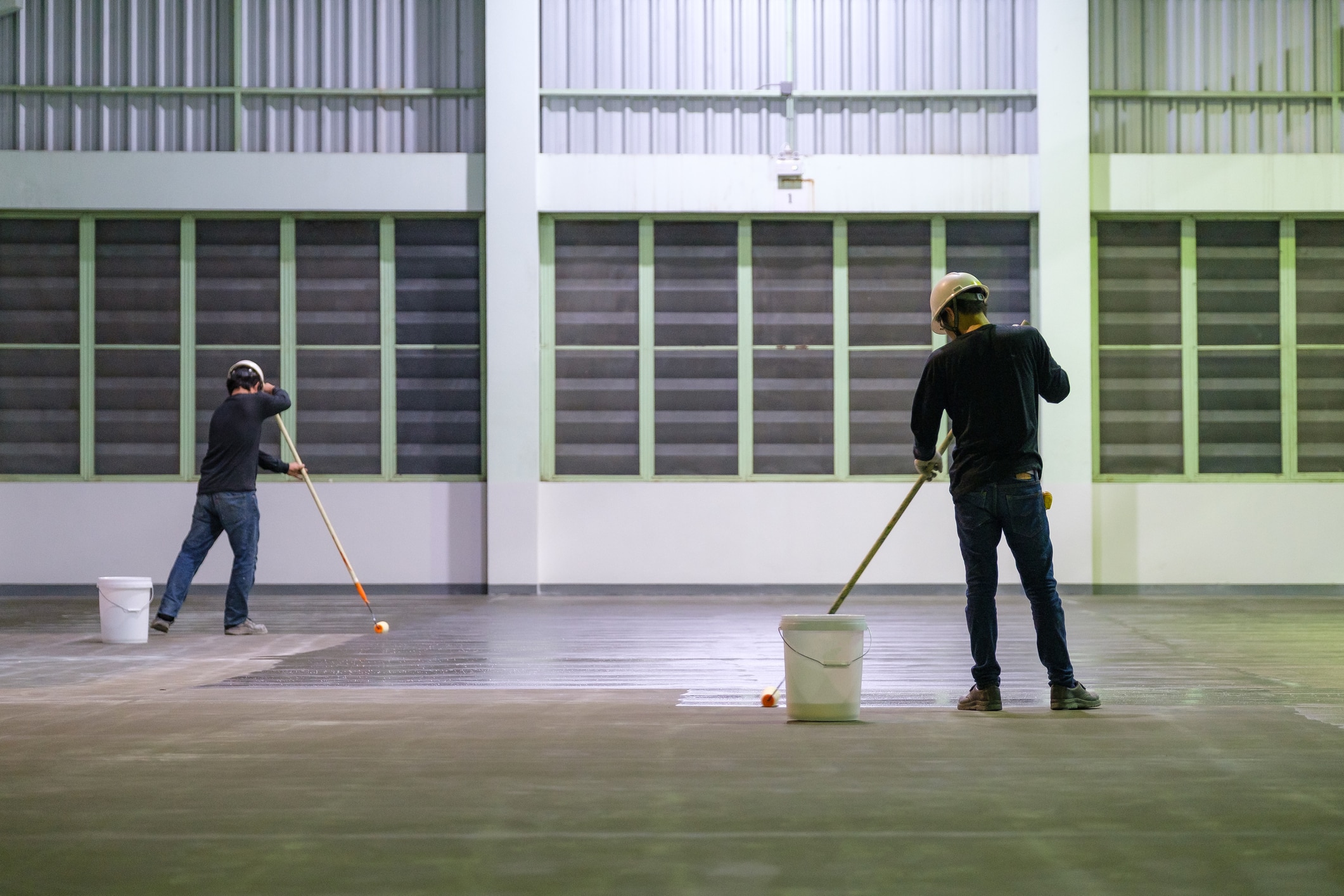
While it is possible to apply non-slip coatings for floors yourself, it is recommended to hire professionals to ensure proper installation and maximum effectiveness. Here is a general outline of the application process:
1. Surface Preparation: The surface must be thoroughly cleaned and free from dirt, dust, and other contaminants that may hinder adhesion.
2. Primer Application: Depending on the coating system, a primer may be required to promote adhesion and enhance the durability of the non-slip coating.
3. Coating Application: Use the recommended tools and techniques to apply the non-slip coatings for floors evenly. Ensure the coating is applied to the desired thickness for optimal slip resistance.
4. Curing and Drying: The coating can cure and dry according to the manufacturer’s instructions. This may involve a specific drying time or the need for controlled temperature and humidity.


