
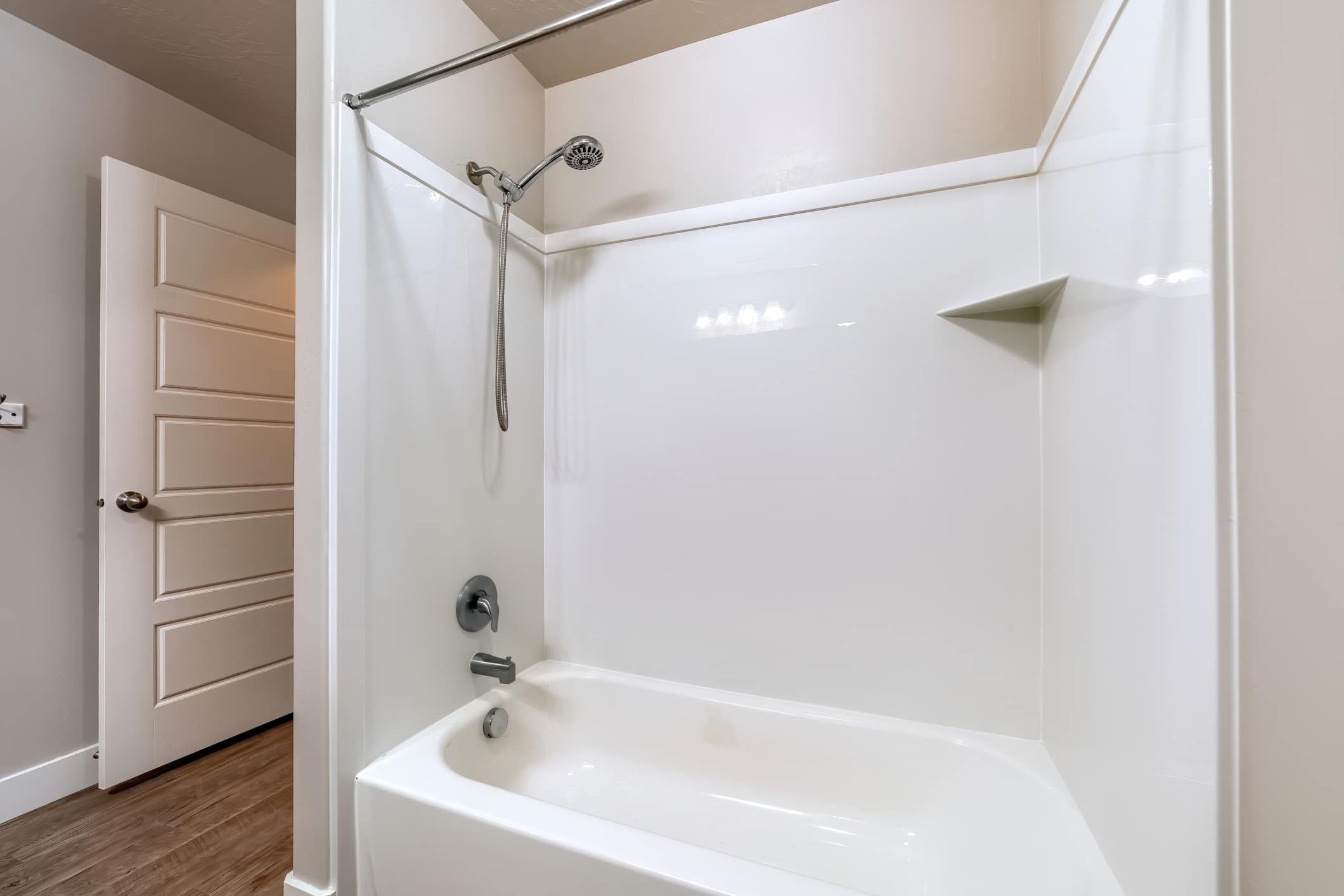
Are you tired of using a slippery bathtub? Fear no more! This article will ensure your bathing experience becomes safer than ever, with tips on how to fix your slippery bathtub with a few simple solutions.
It’s crucial to address the issue of a slippery bathtub, as no one enjoys the risk of potential accidents while bathing. We have you covered, be it a porcelain, fiberglass, or acrylic bathtub.
Our expert tips and tricks and the vast range of effective remedies will help you maintain the safety of your bathroom and regain your peace of mind. No matter your needs or budget, we have the products for you – From DIY to commercial.
Say goodbye to slips and falls in the bathtub, making your bathing experience enjoyable and worry-free. Go ahead and sink your feet into safety!
The Importance of a Non-Slip Bathtub
Slippery bathtubs may lead to dangerous falls and injury, especially for the elderly and young children. It’s crucial to take proactive measures to prevent such accidents, ensure safety in the bathroom, and create a secure environment. A bathtub that is not slippery is essential.
Without the fear of slipping and serious injuries, such as concussions or fractures, you can relax and enjoy your bathing experience.
Understanding the Causes of a Slippery Bathtub
Identifying the underlying cause of a slippery bathtub is essential to fix the slipperiness of the tub. Below are some common factors that contribute to the slipperiness of a bathtub:
- Material: Different materials have varying levels of slip resistance. Acrylic and porcelain tubs are more slippery than cast-iron and fiberglass tubs. The smooth surface, combined with soap and water, creates a slippery environment.
- Soap Scum: The most common culprit of slippery bathtubs is soap residue build-up on the surface, leading to a slick and hazardous surface. Cleaning regularly to prevent the accumulation of soap scum is essential to maintain and safe bathing environment.
- Mineral Deposits: Hard water leads to mineral deposits forming on the bathtub’s surface, causing a slippery surface. These deposits can be difficult to remove and require specific cleaning techniques or products.
- Lack of Traction: Certain bathtubs have a non-slip or textured surface, offering better traction. Over time, the texture wears off, the bathtub becomes slippery. Understanding the level of traction on the surface of the bathtub will help you determine the most suitable solution for fixing the slipperiness.
Now that the causes have been identified, below are some effective remedies to fix a slippery tub.
Common DIY Solutions for a Slippery Bathtub
There are several simple and cost-effective solutions if you prefer a do-it-yourself approach to making your bathtub less slippery. DIY remedies are easily implemented and require little effort. Below are the most popular options:
- Vinegar Solution: Vinegar is a natural and powerful cleaner that will assist with removing mineral deposits and soap scum on the surface of your slippery bathtub. Mix equal parts water and white vinegar in a spray bottle and apply to the tub. After allowing it to sit for a few minutes, scrub the surface with a non-abrasive brush or sponge. Finish off by rinsing thoroughly with water.
- Baking Soda Paste: Create a paste by mixing water with baking soda until it forms a thick consistency. Apply the paste to the slippery bathtub and let it sit for about 15 minutes. Scrub the surface with a brush or sponge and rinse with water.
- Salt Scrub: Natural and abrasive, salt can assist with removing soap scum and improve traction on the slippery bathtub’s surface. Form a paste by mixing coarse salt with a small amount of water. Apply the scrub to the areas required scrub gently in circular motions, and finish off by rinsing with water to remove the residue.
Home-made DIY solutions may prevent your bathtub from being slippery but you should know that it is not a long-term solution. If you prefer a more convenient and long-lasting solution, commercial products are specifically designed to make your bathtub non-slip.
Using Non-Slip Bathmats and Stickers
Non-slip stickers and bathmats are an affordable and practical way to enhance the safety of your bathtub. They add an additional layer of traction, reducing the risk of falls and slips. Available in various sizes, shapes, and designs, you can choose the one that best suits your bathroom décor. Our bathtub stickers that are developed for slippery bathtubs come in Clear, White or Black and in two sizes.
Bath mats are typically made of rubber or PVC. Bathmats feature suction cups on the bottom to secure them in place. Providing a textured surface that helps prevent your feet from slipping while bathing. The downside to using bathmats to stop bathtubs from being slippery is that they are a haven for germs and mold. Unless you remove them daily to wash them properly, you could soon face worse problems than a slippery bathtub.
Installing a Bathtub Traction Kit
Bathroom traction kits offer a more permanent solution to fixing a slippery tub. The kits consist of adhesive decals or strips that can be applied directly to the surface of your slippery bathtub, offering a long-lasting, non-slip effect that is water, soap, and cleaning product resistant.
The bathtub traction kit is relatively simple to install. The below steps should be followed:
- Clean and dry the surface of your bathtub thoroughly.
- Measure and cut the adhesive strips or decals according to the dimensions of your bathtub.
- Peel off the backing and apply carefully to the desired areas, ensuring they are aligned and free of air bubbles.
Traction strips or decals are ideal for both adults and children, providing a safe and secure bathing experience due to their textured surface that enhances grip and reduces the chance of slipping, providing a safe and secure bathing experience for everyone. Just like that, no more slippery bathtub.


