Fall prevention education is the foundation of safer movement in both homes and workplaces. Many falls happen during routine activities. People walk, turn, carry items, or change direction without thinking. When environments fail to support safe movement, injuries follow.
Fall prevention education focuses on understanding risk, not restricting behavior. It teaches people how surfaces, habits, and environments interact. This knowledge allows individuals and organizations to reduce injuries without sacrificing independence or productivity.
In homes, fall prevention education helps families identify everyday hazards. In workplaces, fall prevention education supports compliance, consistency, and duty of care. Across all settings, fall prevention education works best when it feels practical and relevant.
This article explains how educating people about fall prevention reduces risk in homes and workplaces. It also shows how education supports better decisions, safer surfaces, and long-term injury reduction.
Why Education Is Central to Fall Prevention
Falls are rarely random events. They usually result from predictable conditions that develop over time. Smooth flooring, moisture, poor lighting, clutter, and rushed movement all contribute to risk. Fall prevention education helps people understand how these factors combine.
Fall prevention education works because it explains cause and effect. When people understand why slips and trips occur, they change behavior naturally. They slow down, adjust movement, and notice hazards sooner. This approach supports confidence rather than fear.
Education also reduces repeat incidents. Many falls happen in familiar environments where people feel comfortable. Fall prevention education challenges the assumption that familiar spaces are always safe. Awareness resets expectations.
In homes and workplaces, fall prevention education creates shared responsibility. Individuals move more carefully, while organizations demonstrate proactive risk management. Education becomes the most reliable long-term prevention tool. We have an informative resource that walks you through why the prevention of slips trips and falls is important.
Understanding Risk in Everyday Environments
Risk exists anywhere people walk, stand, or change direction. It increases when surfaces are smooth, worn, or wet. Lighting, visual contrast, and clutter also influence stability. Fall prevention education teaches people to recognize these risks before accidents occur.
Fall prevention education explains how surfaces behave under different conditions. A floor may be safe when dry but hazardous when wet. A surface may perform well when new but lose traction with wear. Education highlights these changes early.
This awareness applies equally to homes and workplaces. Entryways, bathrooms, kitchens, stairs, and outdoor walkways experience constant surface changes. Fall prevention education encourages people to anticipate conditions instead of reacting to them.
By understanding how risk develops, individuals and organizations can act earlier. Prevention becomes routine rather than reactive. Fall prevention education plays a direct role in reducing risk across homes and workplaces. When people understand surface hazards and how to manage them, they make better decisions, improve traction underfoot, and significantly lower the likelihood of long term injuries.
How Fall Prevention Education Supports Safer Homes
Homes feel familiar, which often leads to overlooked hazards. Fall prevention education encourages residents to reassess everyday spaces with fresh awareness. Familiarity should not replace safety.
Fall prevention education focuses on high-risk residential areas. Bathrooms, kitchens, stairs, and entrances combine smooth surfaces, moisture, and frequent use. These conditions increase the likelihood of slips.
Education also emphasizes habits. Simple actions such as drying floors, improving lighting, and keeping walkways clear reduce exposure to risk. Over time, these habits become automatic.
For a broader overview of residential safety principles, visit fall prevention in the home.
Fall Prevention Awareness in Bathrooms and Kitchens
Bathrooms and kitchens account for a large percentage of household falls. Water, steam, cleaning products, and smooth flooring create frequent traction changes. Fall prevention education explains why these areas require special attention.
Education helps people understand how soaps, oils, and residues affect surface grip. Even clean floors can become slippery during normal use. Awareness encourages timely cleaning and surface treatment.
Fall prevention education also supports informed decisions. Anti-slip treatments for tiles help maintain traction without changing appearance. These solutions reinforce education by supporting safer movement during daily routines.
By combining awareness with practical action, households reduce risk without sacrificing comfort or design. There couldnt be a clearer answer to the question of what is fall prevention.
Stairways and Changes in Elevation
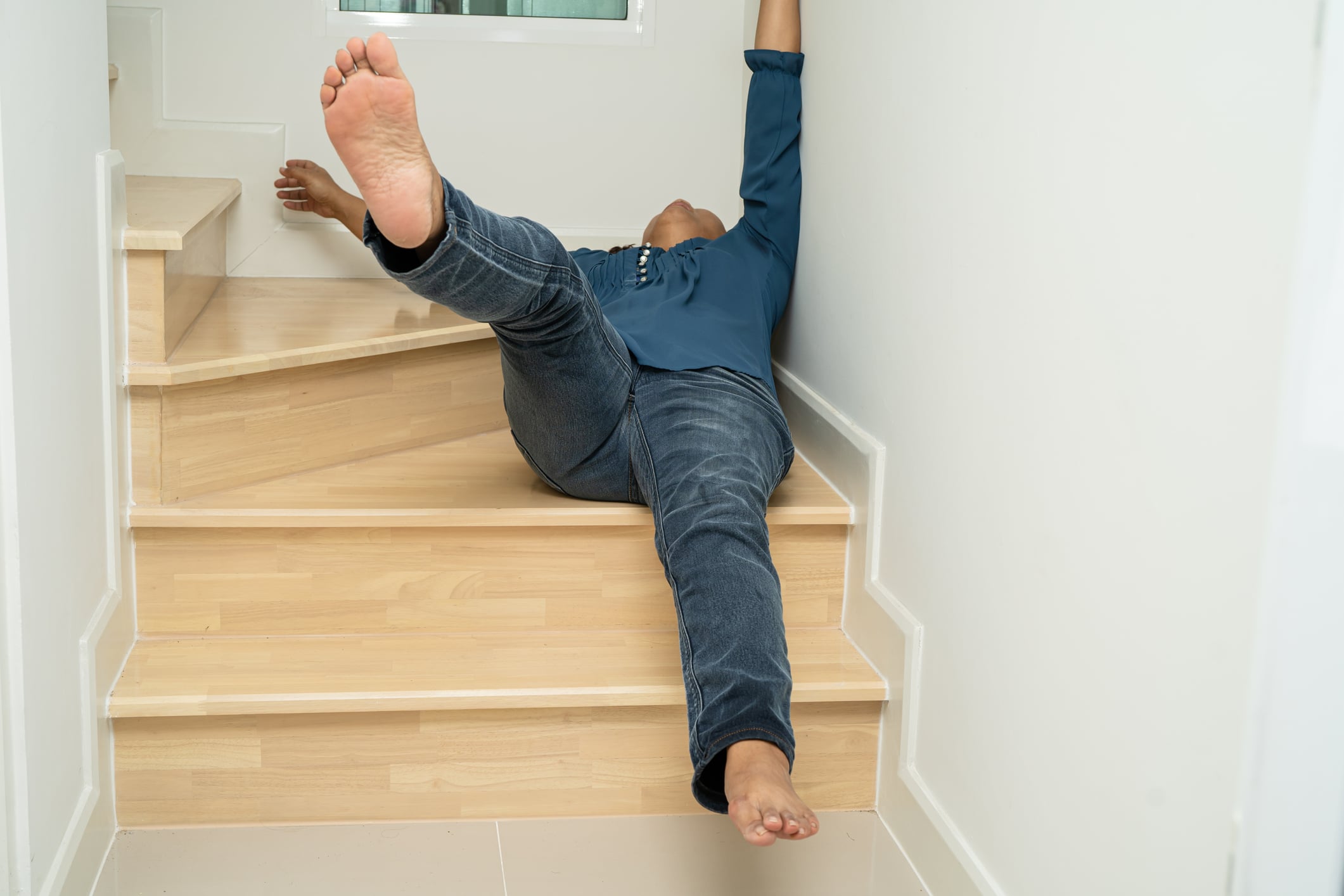
Stairs are one of the most common locations for serious falls. They require balance, coordination, depth perception, and steady footing with every step. Unlike a flat surface, there is no room for error. A small slip or loss of traction can quickly turn into a full fall, especially when height is involved.
Fall prevention education teaches people to treat stairs with the attention they deserve. It helps them understand how small risks add up. Worn stair edges reduce grip. Smooth or polished step surfaces increase slipperiness. Poor lighting makes it harder to judge depth. Clutter on steps creates unexpected trip hazards. Even socks on smooth stairs can become a problem.
Education improves behavior as well. People become more likely to use handrails, slow down instead of rushing, and avoid carrying items that block their view. These simple adjustments dramatically lower risk.
Fall prevention education also emphasizes routine inspection. Stairs experience heavy traffic and natural wear over time. Treads loosen. Surfaces smooth out. Lighting bulbs burn out. Catching these issues early prevents preventable accidents.
When people understand how stairs function as a risk zone, they move differently. And that awareness alone reduces injury.
Fall Prevention Education in the Workplace
Workplaces introduce additional complexity. Foot traffic increases. Surfaces change throughout the day. Cleaning schedules, weather, and equipment create variable conditions. Fall prevention education helps workers navigate these changes safely.
Education improves situational awareness. Workers learn to recognize higher-risk moments, such as shift changes or cleaning periods. This awareness reduces incidents without slowing productivity.
Fall prevention education also supports accountability. Employers demonstrate due diligence by addressing foreseeable hazards. Education shows that safety is planned, not reactive.
Regulatory expectations are explained further in understanding fall protection in the USA.
Industrial and Commercial Environments
Industrial and commercial environments present a very different level of risk compared to homes. Hard concrete floors, polished warehouse surfaces, food prep areas, production lines, and loading zones all create conditions where slips can happen fast. Add oil, grease, dust, cleaning residue, or moisture, and the risk increases significantly.
Fall prevention education in these settings focuses on practical surface awareness. Workers are taught how traction changes throughout the day. A floor that feels safe in the morning may become hazardous after spills, condensation, or heavy foot traffic. Understanding these changes helps workers adjust their movement before an incident occurs.
Education also reinforces task-specific behavior. Carrying equipment, pushing carts, climbing access steps, or turning quickly on smooth concrete all require different footing strategies. When workers are trained to move deliberately and use appropriate footwear, risk drops without slowing productivity.
Consistency is critical. Safety cannot depend only on warning signs or occasional reminders. When employees understand how surfaces behave, they naturally adjust stride, speed, and positioning.
In high-traffic facilities, this awareness becomes part of the culture. And that culture of attention is what reduces preventable injuries long term.
More detail on these environments is covered in industrial slip prevention.
Age, Balance, and Adaptation
As people age, natural changes occur in balance, muscle strength, vision, and reaction time. These changes do not mean that activity should be limited. Instead, they highlight the importance of environments that support safe, confident movement. Fall prevention education helps people adapt surroundings to match changing needs rather than restrict independence.
Education focuses on consistency and predictability. When flooring behaves the same way from room to room, people move with greater confidence. Sudden changes in surface texture, height, or traction increase hesitation, which in turn increases fatigue and risk. Predictable environments reduce the mental effort required to move safely.
Fall prevention education also explains how trust in footing affects movement quality. When people feel unsure, they take shorter steps, tense their muscles, and move cautiously. This tension often leads to instability. When surfaces provide reliable traction, movement becomes smoother, more natural, and less tiring.
For families and employers, education shifts the conversation away from age alone and toward environmental support. Small adjustments made early help people remain active and independent for longer. These principles are explored in more detail in fall prevention in older adults, which explains how thoughtful design and surface consistency support safer aging without limiting daily life.
Fall Prevention Education for Children and Families
Children fall. It is part of growing up. As they learn to crawl, walk, run, and climb, their balance and coordination are still developing. That natural curiosity is healthy, but it also increases the risk of slips and falls.
Fall prevention education helps families understand where real risks exist and how to reduce them without limiting a child’s development. It starts with supervision, but it does not stop there. The design of the home matters. Smooth tiles near bathtubs, wet entryways, polished stairs, and cluttered hallways all increase the chance of injury. Consistent floor surfaces, secure stair treads, and clear walking paths make a measurable difference.
Education also builds smart habits. Children can be taught to use handrails, walk instead of run on stairs, and recognize when a surface is wet. Parents can learn to spot hidden hazards before an accident happens.
The goal is not to restrict movement. It is to create an environment where children can explore with confidence. When families understand how traction, visibility, and layout affect safety, they create spaces that support development while reducing preventable injuries.
Pets and Shared Living Spaces
Pets bring energy, comfort, and companionship into a home, but they also introduce movement that is fast, unpredictable, and often instinctive. A dog darting toward the door, a cat cutting across a hallway, or a pet stopping suddenly underfoot can change a person’s balance in an instant. These moments are rarely intentional, yet they are a common factor in household falls.
Fall prevention education helps pet owners recognize how shared movement affects safety. Floors that feel stable during quiet moments can become hazardous when pets accelerate, pivot, or slide across smooth surfaces. This is especially important in homes with children, older adults, or anyone with reduced balance.
Education encourages practical adaptation rather than restriction. Improving surface traction, keeping pathways clear, and understanding how pets interact with flooring allows everyone to move more confidently. Safer surfaces help pets maintain their footing as well, reducing stress and injury for them too.
For many pet owners, prevention is about peace of mind. Knowing that your home supports both human and animal movement reduces anxiety during everyday interactions. Thoughtful adjustments protect the ones who rely on us most. More guidance on creating safer shared environments is available in fall prevention for pets, which explores how awareness and surface performance work together to keep households safe.
Common Causes of Falls
Falls rarely happen because of a single issue. In most cases, they result from several factors combining at the wrong moment. Environmental hazards are often the starting point. Smooth flooring, poor lighting, cluttered walkways, and uneven surfaces reduce stability and increase the chance of slipping or tripping.
Physical factors also play a role. Reduced balance, slower reaction times, and muscle fatigue make it harder to recover when footing changes. Medications can add another layer of risk. Side effects such as dizziness or reduced coordination often go unnoticed until a fall occurs.
Footwear is another overlooked contributor. Shoes with worn soles, poor grip, or inadequate support reduce traction, especially on smooth or wet surfaces. When footwear choices meet low-traction flooring, the risk increases significantly.
Inadequate surface traction is often the final trigger. Floors that look clean and well maintained can still perform poorly underfoot. This is where education becomes critical. Fall prevention education helps people connect these causes to real behavior and real environments. Instead of reacting after an incident, people learn to recognize patterns and address risks early.
A practical overview of how environments can be adapted safely is covered in Slip and fall prevention, which explains how thoughtful design and surface awareness reduce repeat incidents.
Practical Strategies That Support Fall Prevention
Fall prevention education works best when it is paired with clear, practical action. Awareness on its own is not enough. Lasting results come from small adjustments that are applied consistently across daily routines and environments. Education ensures these adjustments are understood, maintained, and adapted over time.
Surface improvements are often the most effective starting point. Floors that perform well underfoot reduce hesitation and unexpected slips, especially in areas exposed to moisture or heavy foot traffic. Consistent cleaning also plays a critical role. Residue from cleaning products, dust, and everyday buildup can change how a surface behaves. Education helps people understand not just what to clean, but how and when cleaning affects traction.
Footwear choices are another key factor. Shoes with proper grip and support improve stability, particularly on smooth or transitional surfaces. Education helps people recognize when footwear is contributing to risk rather than protection.
What makes these strategies effective is not complexity, but consistency. Education ensures that improvements are applied correctly and reviewed as conditions change. A practical overview of how these methods work together is explained in fall prevention strategies, which outlines how informed action supports safer movement across different environments.
Product Categories That Support Safer Surfaces
Education often leads to informed action. Selecting the right solution depends on environment and usage.
Anti-slip treatments for tiles improve traction in moisture-prone areas. Non-slip coatings support high-traffic environments. Anti-slip tapes provide targeted grip on stairs and ramps. Cleaning and maintenance products help preserve surface performance.
Each category reinforces fall prevention education by supporting consistent traction.
Common Questions About Fall Prevention
What areas carry the highest risk at home
Bathrooms, kitchens, and stairs present the highest risk due to moisture and smooth surfaces. Fall prevention education helps prioritize these areas.
Does footwear affect stability
Footwear with proper grip and support reduces slip risk significantly.
How does aging influence falls
Balance and reaction time change with age. Fall prevention education supports adaptive environments.
Are outdoor surfaces risky
Weather and surface wear increase outdoor risk.
Can minor falls cause serious injury
Some injuries appear later. Medical advice is recommended.
Five Workplace Safety Questions
Workplace safety questions often arise after an incident has already occurred. However, effective prevention starts earlier, with education that addresses common uncertainties before they lead to injury. Employees and employers regularly encounter similar concerns about surfaces, cleaning practices, stairs, and daily routines. Addressing these questions openly helps reduce confusion and encourages safer behavior across all levels of a workplace. The following questions focus on practical issues that influence everyday movement in work environments and explain how informed awareness supports safer decisions, reduces incidents, and reinforces shared responsibility for fall prevention.
Why do slips happen during routine tasks
Conditions change quickly. Fall prevention education improves awareness.
Does cleaning increase risk
Wet floors increase risk temporarily. Education improves timing and communication.
Are stairs common injury sites
Yes. Consistent traction and visibility reduce incidents.
How does training help
Informed workers adjust behavior proactively.
Is prevention cost effective
Fall prevention education costs less than recovery.
Staying Informed and Connected
Fall prevention education continues beyond the home and workplace. Staying informed supports long-term safety.
Follow Slip No More on LinkedIn, Facebook, Instagram, X, YouTube, Pinterest, and TikTok.
Customer feedback is available through Trustpilot reviews.
Conclusion
Fall prevention education supports safer movement without limiting independence. When people understand how and why falls occur, they move with greater confidence rather than caution. Knowledge changes behavior in subtle but powerful ways. People slow down naturally, notice surface changes earlier, and adjust their movement without being told to do so.
In both homes and workplaces, education shifts safety from reaction to prevention. Instead of responding after an injury, individuals and organizations learn to identify risks before incidents occur. This approach reduces repeat falls and supports consistent decision-making across different environments.
Fall prevention education also encourages long-term thinking. Floors, habits, and environments change over time. Education helps people recognize when surfaces no longer perform as expected and when additional safety measures are needed. This awareness prevents small issues from becoming serious injuries.
Homes become safer when families understand everyday risks and address them early. Workplaces benefit when employees are trained to recognize changing conditions and respond appropriately. In every setting, education creates a shared responsibility for safety.
Fall prevention education remains the foundation for lasting safety improvements because it empowers people to act early, move confidently, and maintain independence while reducing injuries over time. We hope that you learnt some fall prevention tips from this article, please dont forget to share with someone who can gain from it.


