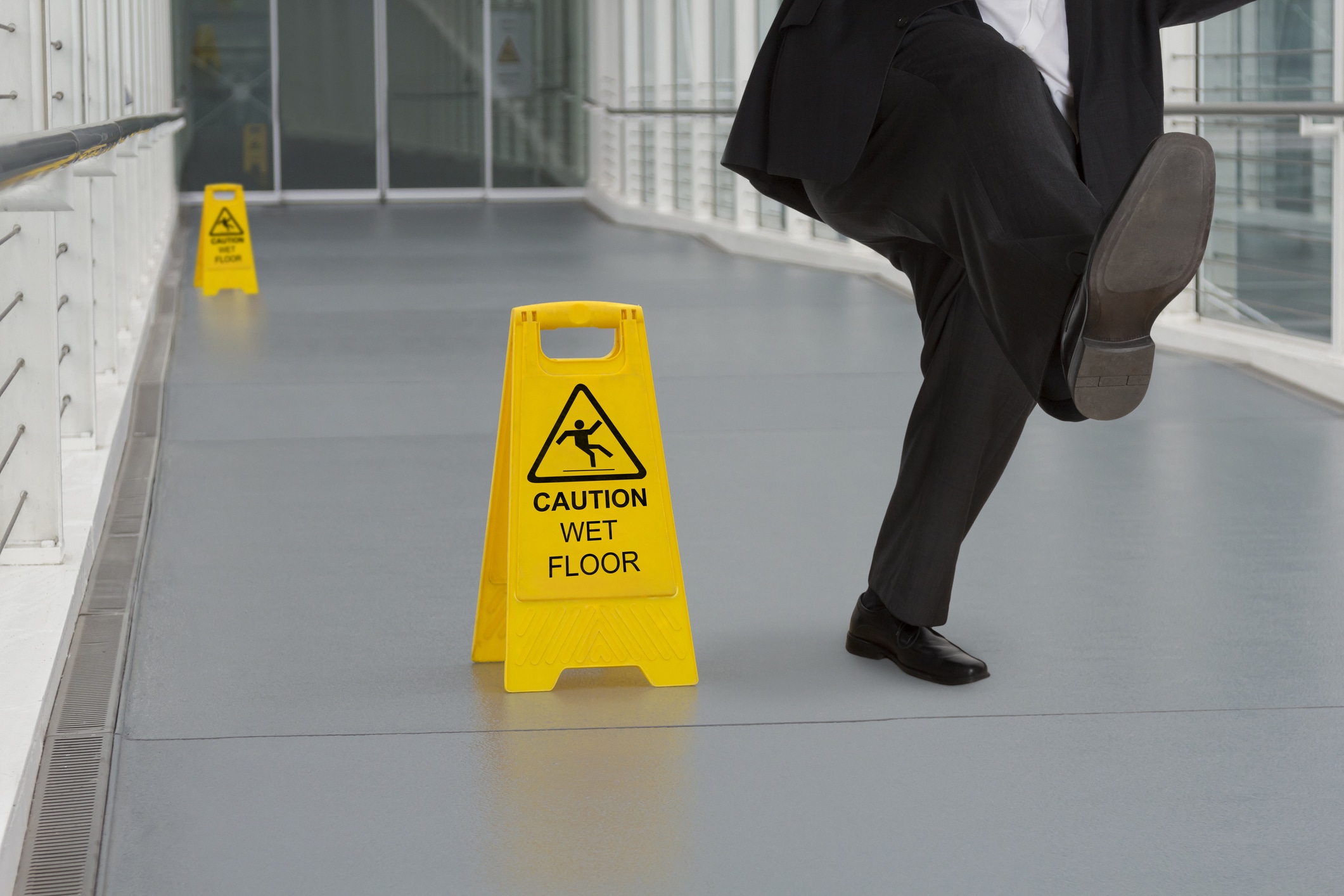
Are you concerned about the safety of your floors? That’s why investing in anti-slip floor treatment is essential. Slip and fall accidents can happen anywhere, from homes to commercial spaces, and the consequences can be severe. This treatment offers a simple solution to minimize the risk of slips and falls by creating a safe walking surface.
By incorporating anti-slip treatments, you can create traction on any flooring, whether ceramic, porcelain or even concrete. This means more excellent safety for your family, employees, or customers.
Not only does anti-slip floor treatment protect against accidents, but it also reduces liability. In areas with high foot traffic, such as restaurants, hospitals, and shopping centers, businesses must ensure the safety of their patrons. By taking proactive measures such as implementing anti-slip flooring, you can help prevent potential legal issues that may arise from slip and fall incidents.
In conclusion, anti-slip floor treatment is crucial for floor safety. Investing in this simple yet effective solution can create a secure environment and minimize the risk of accidents. Don’t compromise on safety – prioritize anti-slip floor treatment for your space.
Understanding the importance of floor safety
When it comes to the safety of your floors, it’s crucial to understand the importance of taking proactive measures. Slip and fall accidents can result in serious injuries, ranging from fractures to head trauma. These accidents can happen to anyone, regardless of age or physical ability. Investing in anti-slip floor treatment creates a safe environment for everyone who walks on your floors.
Slip and fall accidents can also have significant financial implications. Medical bills, legal fees, and potential lawsuits can be a burden for individuals and businesses alike. By prioritizing floor safety and implementing anti-slip treatments, you can minimize the risk of accidents and reduce your liability.
What is non-slip floor treatment?
Anti-slip floor treatment is a process that alters the surface of the flooring to increase traction. It is designed to create a safe walking surface even when the floor is wet or slippery. This treatment can be applied to various types of flooring, including ceramic, porcelain, marble, and concrete.
The treatment typically involves the application of a chemical solution that creates a micro-rough surface on the floor. This micro-roughness increases the friction between the floor and the soles of shoes, providing better traction and reducing the risk of slips and falls.
Benefits of non-slip floor treatment
Investing in anti-slip floor treatment offers several benefits beyond floor safety. Firstly, it provides peace of mind for property owners, knowing they have taken proactive measures to prevent accidents. This sense of security extends to the space’s occupants, including your family, employees, or customers.
Anti-slip floor treatment is also a cost-effective solution compared to other flooring alternatives. Instead of replacing the entire floor or installing additional safety measures, such as mats or rugs, you can achieve the desired level of safety with a simple treatment. This saves you money and minimizes disruptions to your space during the installation process.
Furthermore, anti-slip floor treatment is versatile for various flooring types, including indoor and outdoor surfaces. Whether you have a residential home, a commercial building, or a pool deck, anti-slip treatment can be tailored to suit your specific needs.
Common areas where anti-skid floor treatment is needed
Anti-slip floor treatment is required in places with a higher risk of slips and falls. In residential settings, bathrooms and kitchens are the most common areas that need anti-slip treatment. These areas are prone to water spills and can become slippery, especially when wet.
In commercial spaces, several areas can benefit from anti-slkid floor treatment. Restaurants, for example, often have high foot traffic and can become hazardous if the floors are not slip-resistant. Hospitals and healthcare facilities are another prime example, as the risk of accidents is amplified in these environments.
Shopping centers and malls also require anti-slip treatment, particularly in entrances, escalators, and food courts. These areas experience heavy foot traffic and are more susceptible to spills and wet floors.
How does anti-skid treatment work?
Anti-slip floor treatment works by creating a micro-rough surface on the flooring, increasing the friction between the floor and the soles of the shoes. This is achieved by applying a chemical solution that alters the floor’s surface.
The treatment process starts with thorough cleaning and preparation of the floor surface. Any existing coatings or contaminants are removed to ensure proper adhesion of the anti-slip treatment. The chemical solution is applied once the floor is clean and left to react with the surface.
After applying the treatment, the floor is rinsed and neutralized to remove any residual chemicals. The result is a floor surface that improves traction, even when wet or slippery.
Choosing the right anti-skid floor treatment product
Several factors must be considered when choosing the right anti-slip floor treatment product. Firstly, you need to assess the type of flooring you have and ensure that the treatment is compatible. Different products may be required for different types of flooring, so it’s essential to consult with professionals or manufacturers to determine the best option for your specific needs.
Additionally, it would help if you considered the durability and longevity of the treatment. Some products may require regular reapplication, while others offer long-lasting results. Assess your budget and maintenance capabilities to choose a product that suits your requirements.
It’s also important to consider the safety and environmental aspects of the treatment product. Look for solutions that are non-toxic, eco-friendly, and compliant with industry standards.
DIY vs. professional non-slip floor treatment
While DIY anti-slip floor treatment kits are available, seeking professional assistance for optimal results is generally recommended. Professional service providers have the expertise, experience, and specialized equipment to ensure proper application and long-lasting effectiveness.
DIY treatments may not provide the same durability and effectiveness as professional treatments. Additionally, the application process can be challenging for inexperienced individuals, leading to inconsistent results and potential damage to the flooring.
Investing in professional anti-slip floor treatment ensures superior results and saves you time and effort. Professionals can assess your needs, recommend the most suitable treatment product, and efficiently carry out the application process.


