
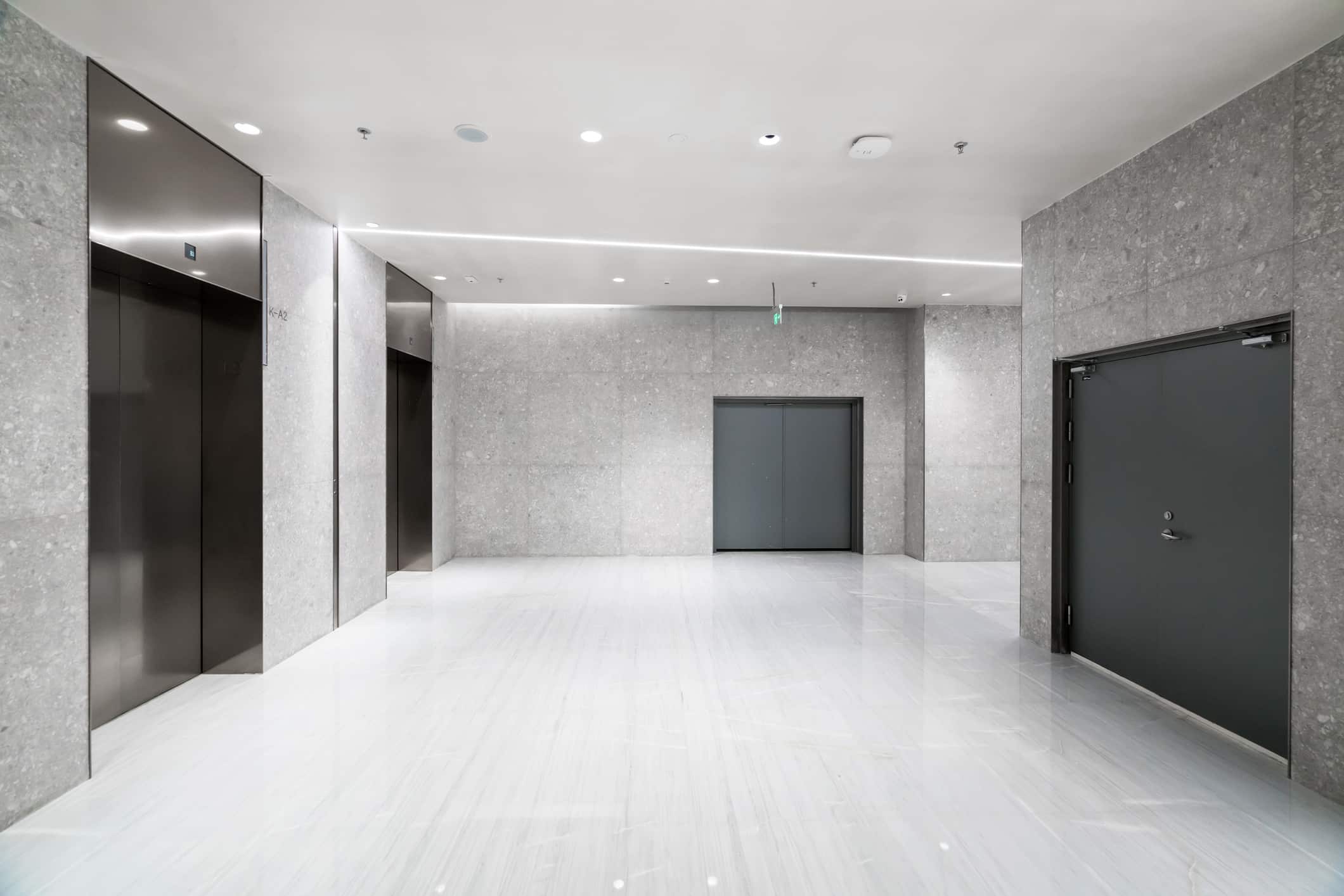
Is porcelain tile slippery or not? This is a question that many homeowners have when considering porcelain tiles for their floors. Porcelain tiles are renowned for their durability, beauty, and versatility. They are a popular choice for both residential and commercial settings. However, concerns about slipperiness often arise because of the smooth and polished surface of porcelain tiles. So, let’s unveil the truth behind this common misconception of is porcelain tile slippery or not? .
Contrary to popular belief, porcelain tiles are not inherently slippery. When properly installed and maintained, they can be just as slip-resistant as other flooring types. Many factors contribute to the slip resistance of porcelain tiles, such as the texture of the surface, the coefficient of friction, and the presence of water or other contaminants. Choosing the correct type of porcelain tile and using appropriate preventive measures can ensure a safe and slip-free environment.
In this article, we will explore the factors that determine is porcelain tile slippery or not?, debunk common myths, and provide practical tips to enhance their slip resistance. So, let’s dive in and discover the truth about porcelain tiles and their slip resistance.
Common misconceptions about the question, is porcelain tile slippery or not?
There are several common misconceptions about porcelain tiles and their slipperiness. One of the most prevalent misconceptions is whether porcelain tile is slippery. While it is true that some porcelain tiles have a smooth and polished finish, not all of them are equally slippery. The slipperiness of porcelain tiles depends on various factors, such as the surface texture and a slip-resistant coating.
Another misconception is that porcelain tiles are more slippery than other flooring materials. This is not necessarily true. When the right measures are taken, porcelain tiles can be just as slip-resistant as other flooring options. It’s important to understand that slipperiness is not solely determined by the type of tile but rather by a combination of factors, including the texture, coating, and environmental conditions.
Moreover, many believe that once porcelain tiles become wet, they become slippery. While it is true that water can make any surface more slippery, porcelain tiles can still maintain their slip resistance when adequately installed and maintained. The key is to choose slip-resistant porcelain tiles and take appropriate precautions to minimize the risk of slips and falls.
Understanding slip resistance ratings for porcelain tiles
To determine the slip resistance of porcelain tiles, it is essential to understand the concept of slip resistance ratings. Slip resistance is measured using a coefficient of friction (COF) rating, indicating the friction level between two surfaces. In the case of porcelain tiles, the COF rating compares the force required to move an object across the tile surface with the force exerted on the object.
The COF rating ranges from 0 to 1, with higher values indicating a higher level of slip resistance. A COF rating of 0.6 or above is generally considered slip-resistant for most applications. It is important to note that COF ratings may vary depending on the testing method used. It is recommended to look for porcelain tiles with a COF rating of 0.6 or higher to ensure adequate slip resistance.


